

Kaelus IPA-0707A
PIM Test Set 700 MHz Low / High, 20 W, 7/16 DIN(f)
Rent or Lease • Buy Used From $12,600
Kaelus - IPA-0707A
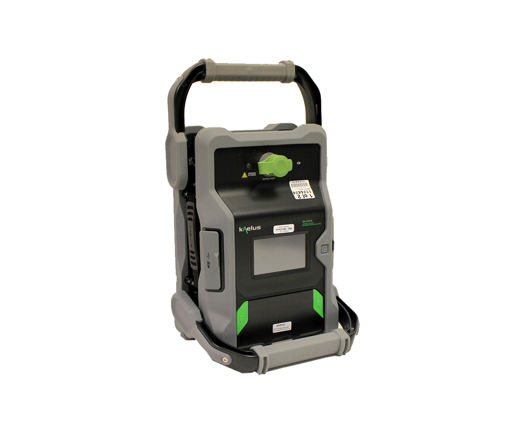
The Kaelus IPA-0707A is a battery powered PIM Test Analyzer. The Kaelus IPA-0707A PIM tester is versatile enough to support multiple test scenarios such as testing at the top of the tower, base of tower, roof top and in-building for DAS systems.
IPA-0707A Product Highlights
- Rugged and reliable; designed with tower climbers in mind
- Fully configurable frequencies, powers and IM products
- Remote control possible with handheld device, e.g. tablet, cell phone
- Simple to operate touch screen interface
- Extensive reporting capabilities
- Spectrum monitor, frequency sweep and time trace modes
- RTF compatible
- Battery powered
- 0.1 to 20W
Kaelus & TRS-RenTelco
TRS-RenTelco is a proud partner of Kaelus and offers a wide range of rental, purchase and leasing solutions designed specifically to meet the evolving needs of the electronic testing industry. Our close relationship with Kaelus allows us to ensure we have the right Wireless Test solution for your job.
Renting Wireless Test
With TRS-RenTelco renting Wireless Test equipment has never been easier. Enjoy same-day shipping, lease, and finance options on our inventory of over 5000 electronic testing equipment rentals. As one of North America’s largest test equipment rental providers, it is our mission to support the endeavors of our clients no matter how big or small with reliable expertise, excellent customer service, accuracy, and speed.
Additional Information
Manufacturer Home Page | Kaelus.
- Configurations
- Resources
- FAQsAI
-, R92-0287, R92-0443, R92-0445
See Configuration Details
-
R92-0287
Battery IPA (Quantity 2 pcs )
-
R92-0443
Dual Battery Charging Cradle
-
R92-0445
Hard Case Assembly IPA
*This item has already been added to your cart. Check your cart for quantity and availability.
Base Model
Standard Rental Accessories*
* Leased or Buy Used product accessories will be confirmed with quote.
-
Carabiner with Screw Keylock
Qty: 2 -
Cable USB-A - USB-MiniB
Qty: 1 -
Antenna WiFi
Qty: 1 -
AC Adapter
Qty: 1 -
Adapter 7/16 Din(m) - 7/16 Din(f)
Qty: 1 -
Strap Shoulder
Qty: 1 -
Battery Lithium Ion
Qty: 1 -
Memory Card
Qty: 1 -
USB Drive with Software and Manuals
Qty: 1
*This item has already been added to your cart. Check your cart for quantity and availability.
R92-0287, R92-0443, R92-0445
Standard Rental Accessories*
* Leased or Buy Used product accessories will be confirmed with quote.
-
Case Hard
Qty: 1 -
Battery Lithium Ion
Qty: 2
*This item has already been added to your cart. Check your cart for quantity and availability.

Brochure - Kaelus iPA series
User Manual - Kaelus IPA series

Video - Kaelus PIM Measurement
Video - Kaelus iPA Reporting via web browser
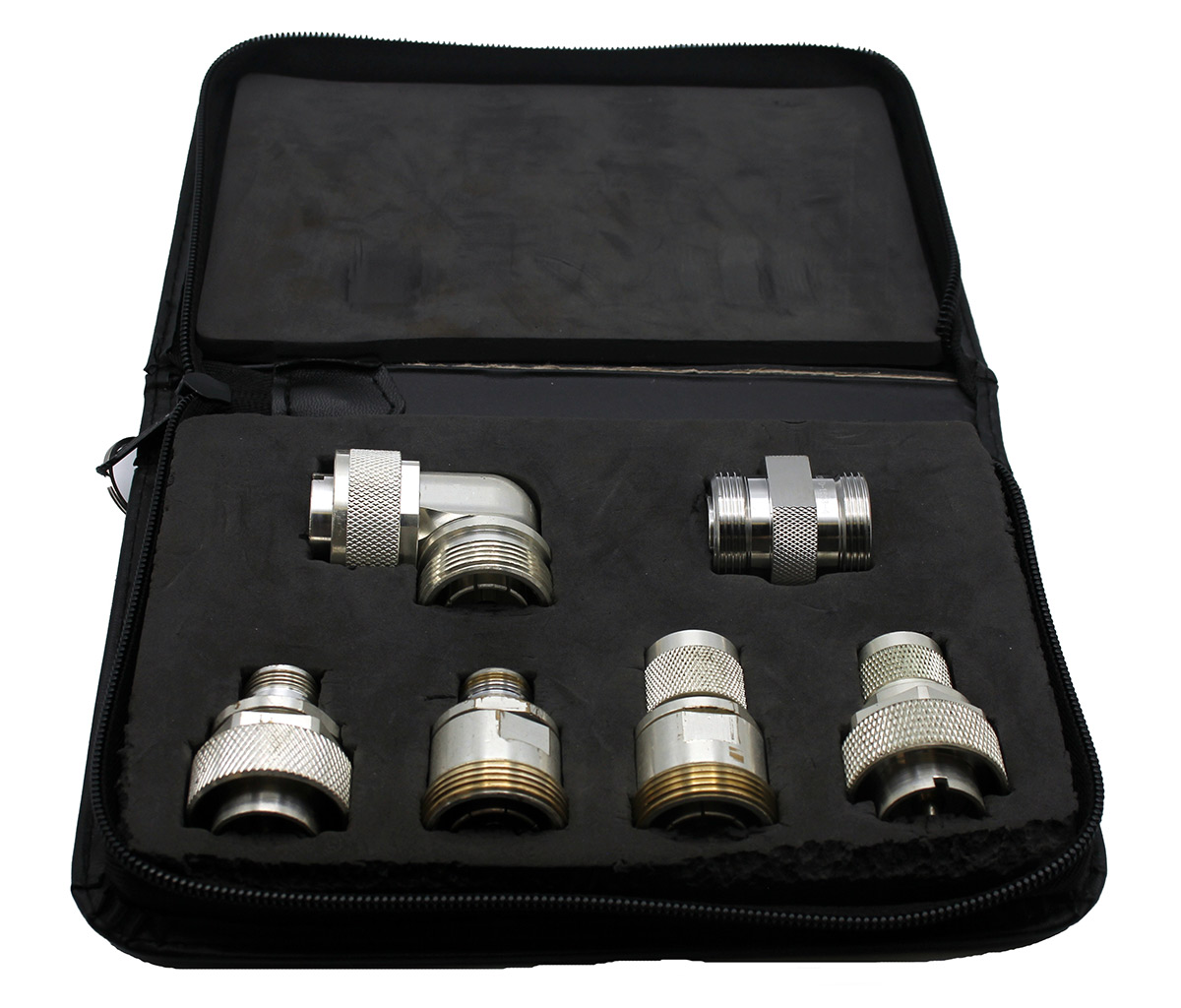
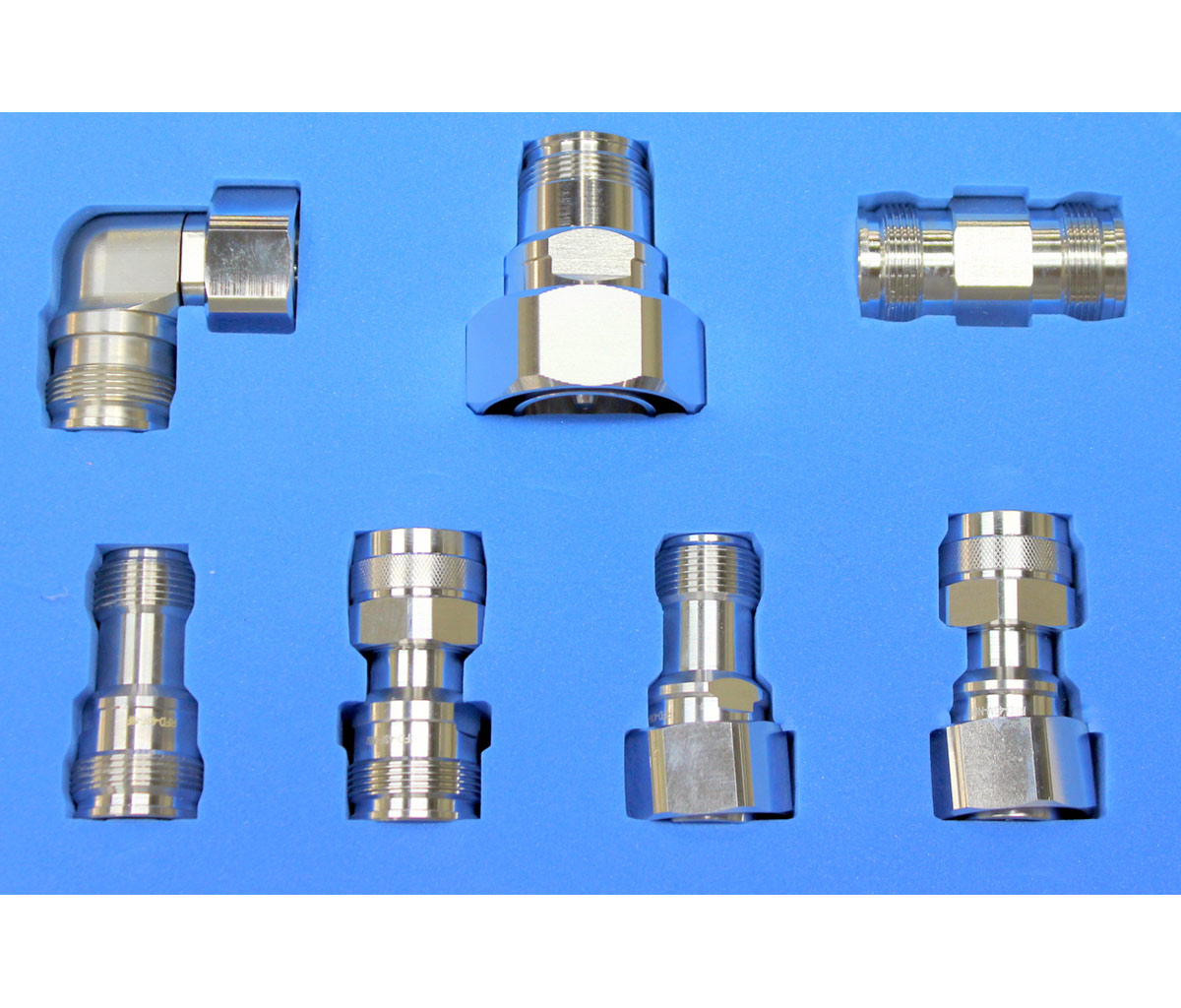
Video - Kaelus iPA Connector Kit
Video - Kaelus iPA Battery Replacement
Video - Kaelus iPA Battery Charger

Content is AI-generated. Verify critical details with manufacturer-provided resources.
What frequency band does the Kaelus iPA-0707A PIM analyzer cover?
The Kaelus iPA-0707A is a battery-portable passive intermodulation analyzer designed for 700 MHz LTE band testing. It operates with TX1 frequencies from 698 to 716 MHz and TX2 frequencies from 728 to 731.5 MHz, with a PIM receive band spanning 741 to 764 MHz in 100 kHz steps. The iPA-0707A measures reverse (reflected) PIM at 3rd and 5th order intermodulation products, making it suitable for testing cell site components on the 700 MHz LTE band.
What is the PIM sensitivity and measurement range of the Kaelus iPA-0707A?
The iPA-0707A achieves residual PIM performance of less than -117 dBm (-160 dBc) maximum and less than -125 dBm (-168 dBc) typical. The measurement noise floor is less than -128 dBm, and the full measurement range spans from -50 dBm to -128 dBm. These sensitivity levels allow the iPA-0707A to detect low-level PIM sources that could degrade uplink performance on 700 MHz LTE networks.
What test power range does the Kaelus iPA-0707A support?
The iPA-0707A A Series model supports adjustable test power from 0.1 W to 20 W (+20 to +43 dBm) in 1 dB increments, with power accuracy of +/- 0.5 dB maximum per tone. The adjustable power range allows operators to test at levels appropriate for different scenarios, from in-building DAS systems at lower power to macro cell site components at full 20 W per tone. The transmit frequency accuracy is +/- 5 ppm maximum with aging of +/- 1 ppm maximum after the first year.
How is the Kaelus iPA-0707A controlled in the field?
The iPA-0707A offers two control methods: a local 4.3-inch (109 mm) touchscreen display built into the unit, and WiFi remote control from any WiFi-enabled phone, tablet, or laptop computer using a standard web browser. The WiFi remote capability enables hands-free dynamic testing at the top of the tower, which is safer and more convenient than operating the instrument manually while climbing. An SMA-RP connector is provided for an external WiFi antenna.
What measurement modes does the Kaelus iPA-0707A offer?
The iPA-0707A provides three standard measurement modes: PIM versus Time for monitoring PIM levels during dynamic testing such as tapping or flexing connections, Swept PIM for scanning across the receive band to identify PIM products at different frequencies, and Spectrum Monitor for observing the RF environment in the receive band. An optional Range to Fault (RTF) module (RTF-1000, sold separately) adds the ability to measure distance to PIM faults and distance to return loss faults.
What are the physical and environmental specifications of the Kaelus iPA-0707A?
The iPA-0707A measures 369 x 160 x 240 mm (14.5 x 6.3 x 9.4 inches) and weighs 12 kg (26 lbs), making it portable for tower top and rooftop testing. It carries an IP54 ingress protection rating for dust and splash resistance, which increases to IP67 when enclosed in the optional hard case. The instrument is rated for operating temperatures from -10 to +45 degrees Celsius, storage temperatures from -10 to +60 degrees Celsius, and 5% to 95% relative humidity (non-condensing), with a mechanical shock rating of 40G.
What battery and power system does the Kaelus iPA-0707A use?
The iPA-0707A is powered by removable 25.9 VDC, 2600 mAh, 67 Wh lithium-ion battery packs that provide a minimum of 2 hours of operating time per pack depending on usage. The battery charger outputs 29.4 VDC at 1.2 Amp, and a dual battery charger for standalone charging is available separately. The removable battery design allows field technicians to carry spare packs for extended testing sessions without returning to a charging station.
What RF connections and interface ports does the Kaelus iPA-0707A provide?
The iPA-0707A features a 7-16 DIN female RF output connector for connecting directly to the device under test, which is the standard connector type used on cell site feed systems. Additional interface ports include a USB 2.0 Host port, a USB 2.0 Slave port, an SD card slot for data storage, an SMB female monitor port for external spectrum analysis, and an SMA-RP connector for the external WiFi antenna. The instrument also includes an automatic return loss alarm that detects and shuts down testing when high return loss is detected, protecting both the analyzer and the system under test.